
the list she carries

An open journal with blank lined pages, on a pale ground
Every household runs on a list that nobody wrote down. When the hand wash is nearly out. Which cloths are clean. Who is coming on Thursday, and whether there is anything in the house to offer them. It lives in one person's head, and after a baby arrives it doubles overnight.
Most of it is invisible, which is the nature of it. Nobody sees her notice that the diapers are running low. They only see that the diapers never run out. The noticing, the remembering, the planning three steps ahead: that is the work, and it does not stop at night.
It is worth knowing when you choose something for her, because a gift can go one of two ways. It can add a line to the list: a thank-you note to write, a place to find for it, a thing to assemble with one hand. Or it can take a line off. We think the second kind is the only kind worth sending.
Here is what that looks like, sorted by the line it takes off.
one. the house, ready for people
Within a week the doorbell starts. In-laws, friends, someone with takeout. The couch, the kitchen counter, and the bathroom sink stop being private and become the parts of the house everyone sees, and she is the one who notices the towel on the floor before the guest does.
The Couples' Welcome takes that off her list. A throw for the couch, a book for the coffee table, a candle for the room everyone gathers in, a tea for the pot that goes on every time the door opens, and a matching hand wash and hand cream for the sink. The house is ready for visitors without her having to make it ready. It is addressed to both of them, which is also the point. The house belongs to two people, and so does keeping it.
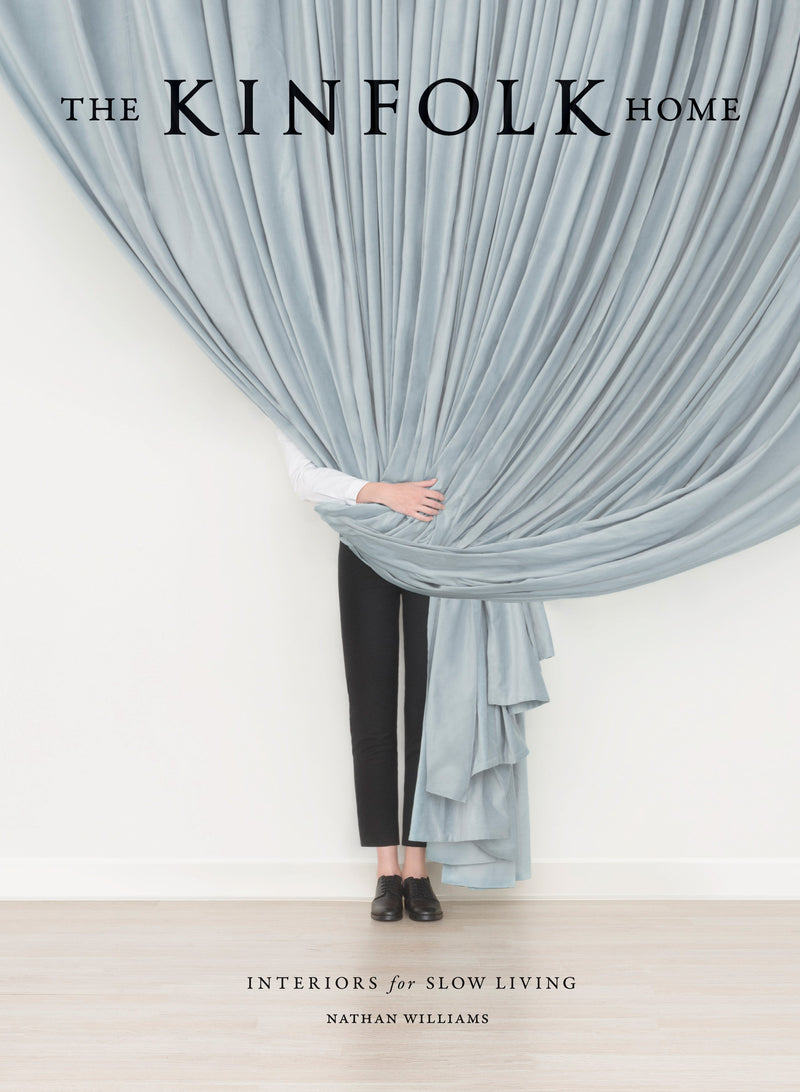

The Couples' Welcome
two. the restock
Burp cloths disappear in a way nothing else does. Keeping enough of the right things in circulation is a small job, and it repeats all day.
The Welcome is built around that. Four organic burp cloths, cut generously enough to actually cover: one on the shoulder, one in the bag, one by the chair, one in the wash. A slipcase of ten small board books for the months after, so the shelf is already started. Everything in it is something she reaches for without thinking, which means one less thing she has to think about.
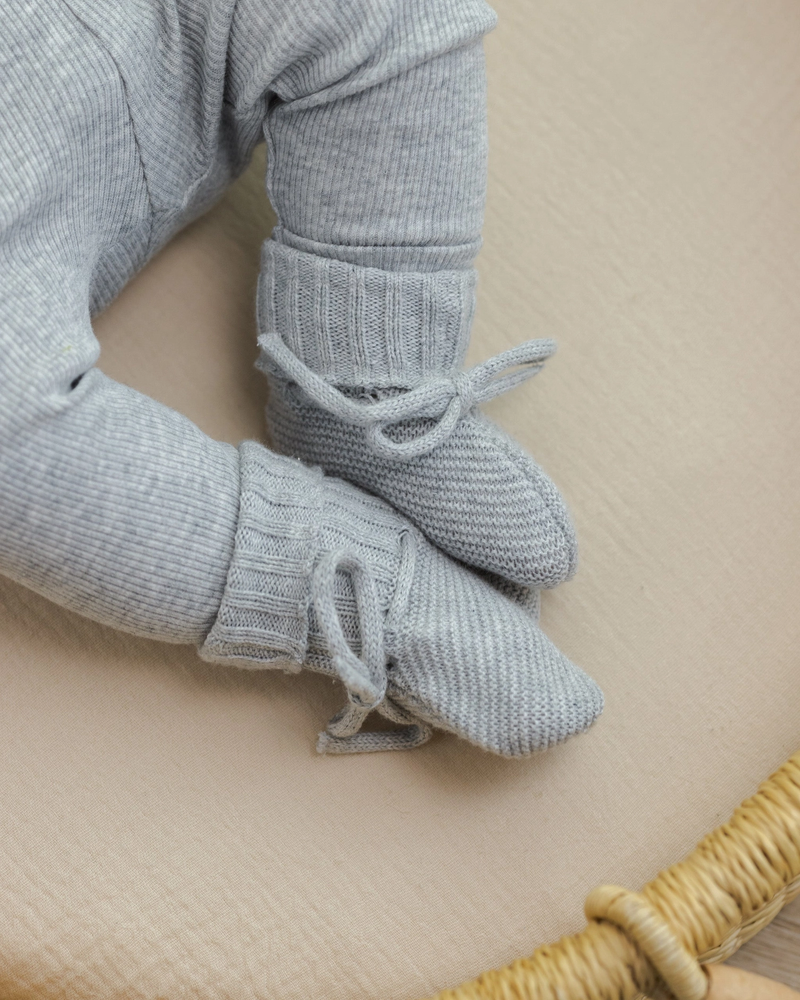

The Welcome
three. getting up again
At two in the morning the list gets very short and very specific. The tea that has gone cold. Feet that will not warm up. The room is dark, and she has just sat down.
The Small Hours is five things for the chair beside the bed, each one there for a reason. The whole idea is that she sits down once and does not have to get up again.
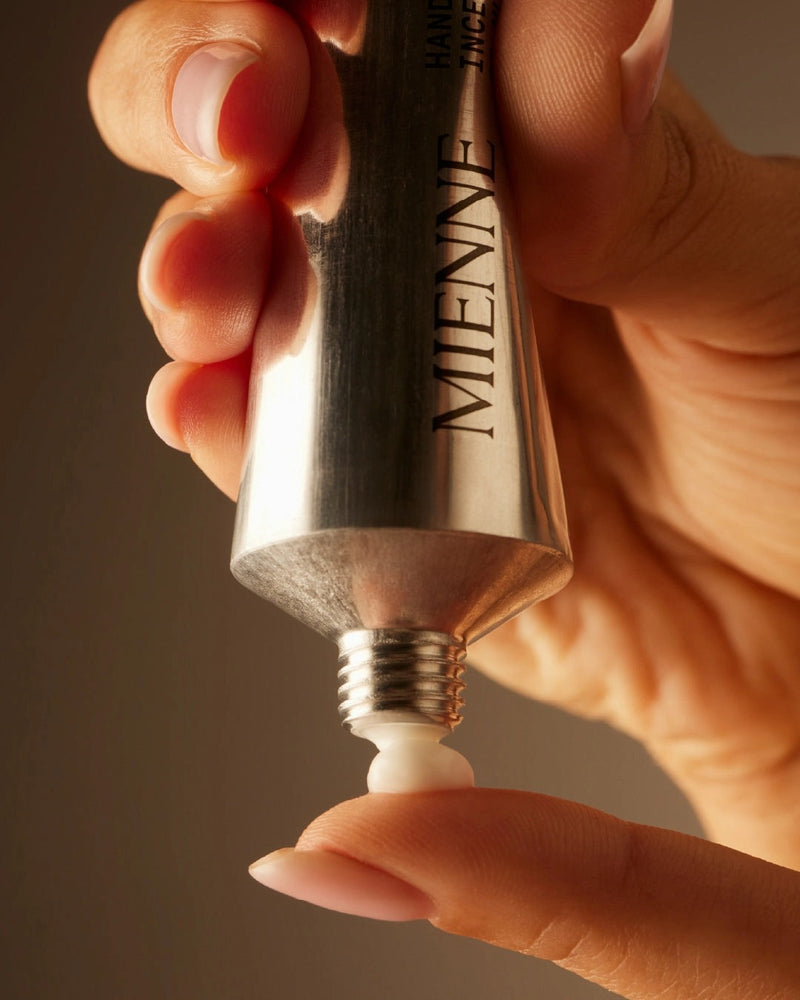

The Small Hours
four. what to wear
Nobody plans for this one. The clothes she packed for the hospital do not fit the way she expected, and the clothes at home fit the body she had last year. So every morning there is a small decision that should not have to be made.
HATCH built two sets for exactly this: one for the morning she walks out, and one for the six weeks at home after. Soft, easy to open, cut for the body she has this week. We send them as HATCH made them, and the question is simply answered.
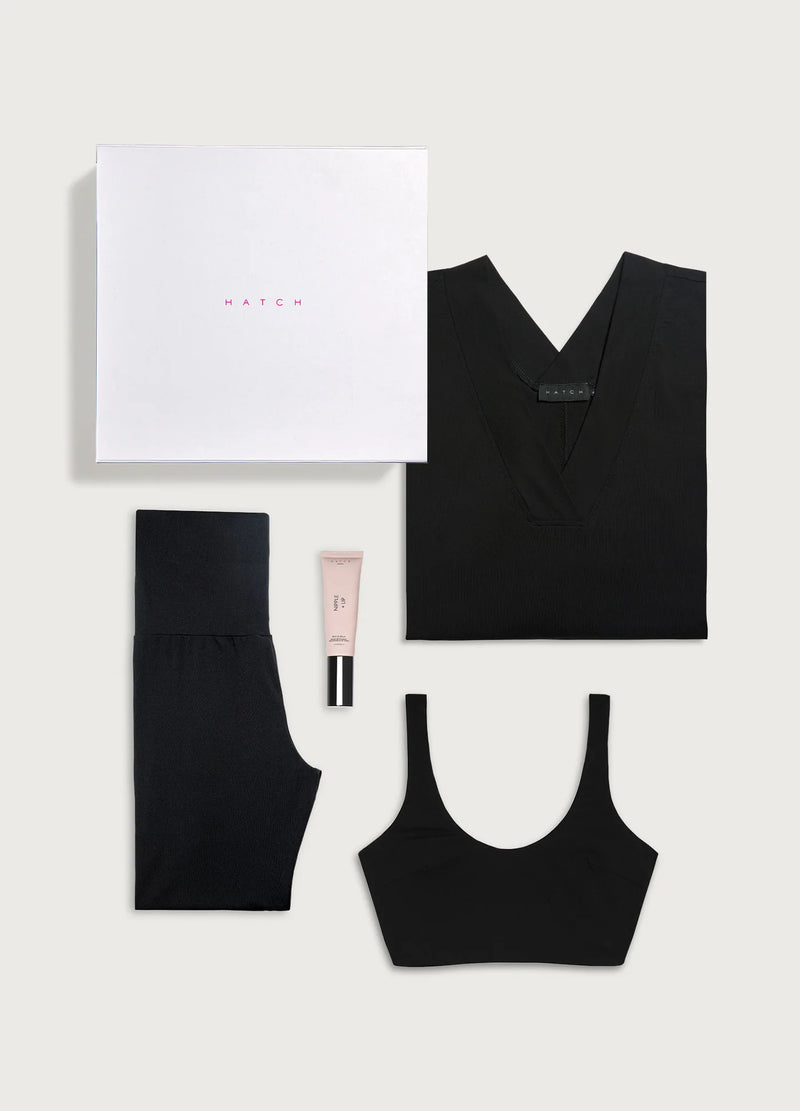
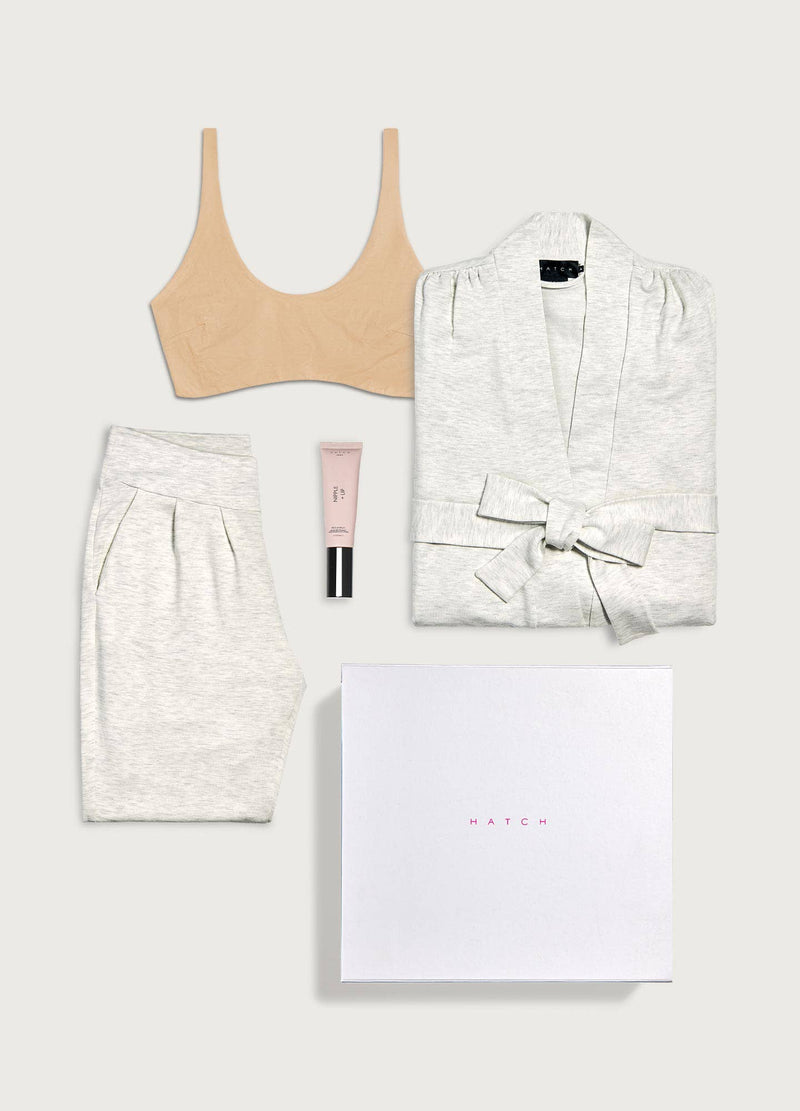

HATCH
five. her own name, at the bottom
The last line on the list is usually her, and it is usually the one that gets skipped. No gift clears the list. What these do is make the time she does get worth having: the thirty minutes while the baby naps, the long shower she takes while someone else has the baby, the evening the visitors finally stop coming, the first month she spends mostly in one room.
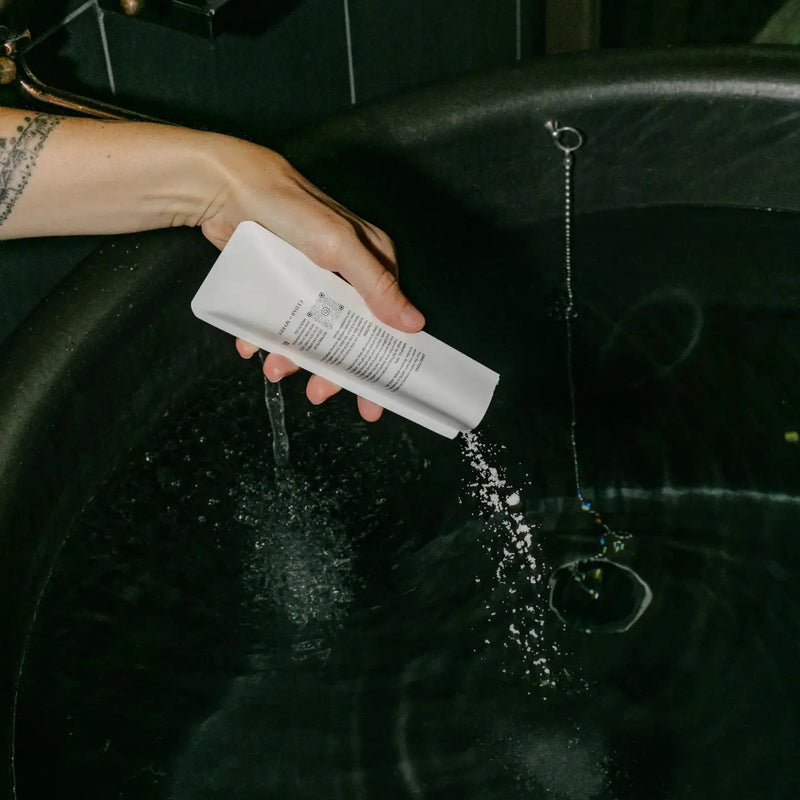

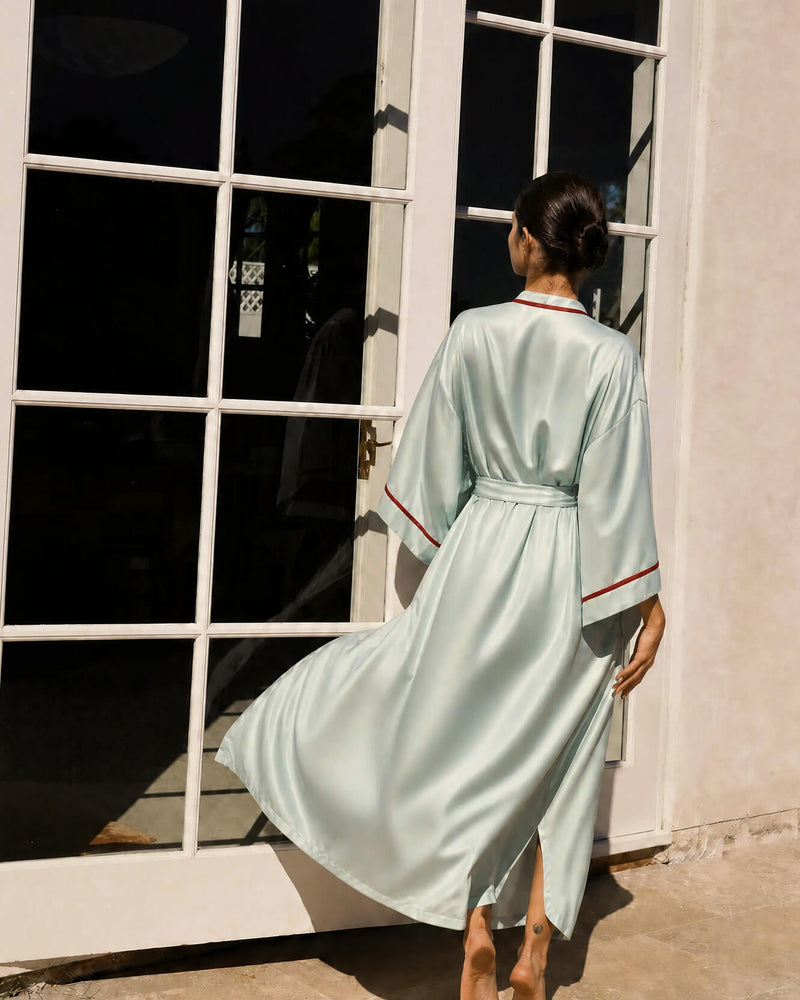

L-R: The Quiet Hours, The Long Shower, The Push
a note for whoever is sending
The kindest thing you can add to any of these is a line of your own that names a job and takes it. Dinner on Thursdays through October. The laundry on Sundays. The thank-you notes, all of them. Not "let me know if you need anything," which hands her one more thing to decide. Something specific, and then done.
Every Edit is composed when you order it and wrapped in tissue. If you leave a message, we write it out by hand and place it on top.
The Edits for Her, all in one place.